 Orellana Crawl Space
Keeping Moisture Out Helps Protect Your Home’s Condition and Resale Appeal
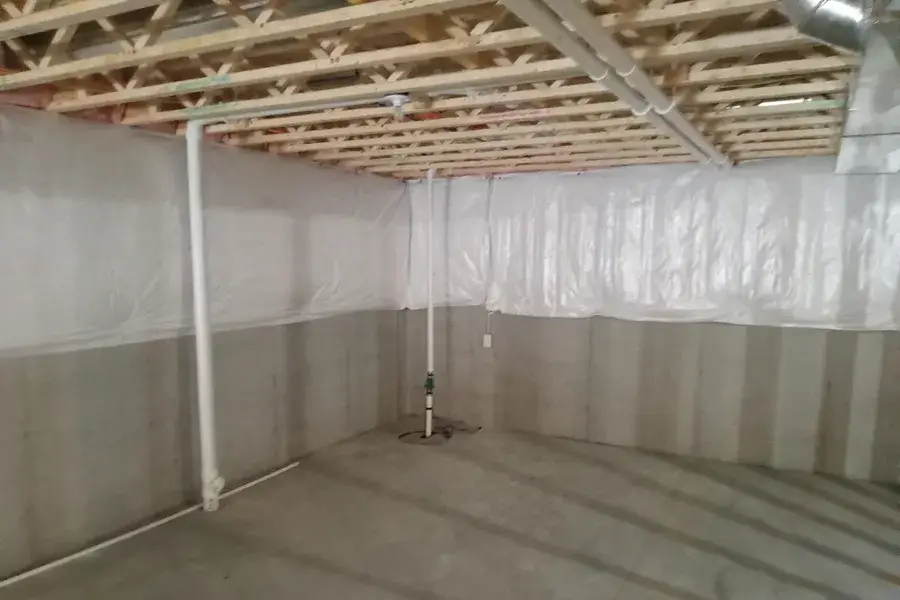
Yes, crawl space waterproofing can help long-term home value. A dry crawl space helps protect wood, insulation, air quality, and the parts of the home above it. Buyers often notice signs of moisture damage during a home sale. If the crawl space stays wet, it can lead to odor, mold, sagging floors, and repair bills. In places like Charlotte, NC, where weather and ground moisture can affect homes, taking care of this area can support both comfort and resale.
Quick Decision Answer
If you want to protect home value over time, crawl space waterproofing is usually a smart move. It is not just about stopping puddles. It helps lower the risk of damage that can scare off buyers later. A clean, dry lower area also shows that the home has been cared for. While it may not raise the sale price dollar for dollar, it can help the home show better, inspect better, and avoid price cuts tied to moisture problems. Even in the wider service category keyword field, moisture control is one of the most common items buyers and inspectors care about.
Option a Vs Option B Criteria
Most homeowners are really choosing between two paths. Option A is fixing moisture issues now with crawl space waterproofing and related repairs. Option B is waiting and dealing with problems only after they grow. The better choice depends on what the crawl space looks like today, how long you plan to stay, and how much risk you want to carry.
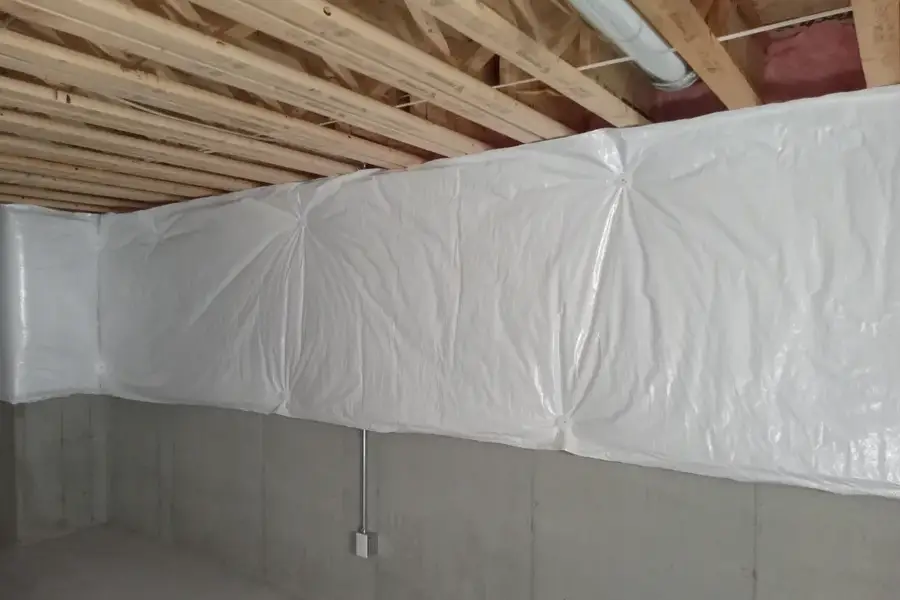
Option A often makes sense if you already see damp soil, standing water, moldy smells, rust, or soft insulation. It also makes sense before listing a home for sale. Option B may seem cheaper at first, but it can lead to wood rot, pest activity, and failed inspection notes. Buyers may ask for credits or walk away if they think the house has hidden water issues.
Pros and Cons List
Here is a simple way to compare the two choices.
- Fixing the crawl space now can help protect beams, joists, and subflooring.
- It can reduce musty odor that moves into the living space.
- It may help heating and cooling work better if insulation stays dry.
- It can make home inspections easier during a sale.
- It does cost money up front.
- Waiting may feel easier in the short term.
- Waiting can lead to bigger repairs later.
- Waiting may hurt buyer trust if signs of water are easy to spot.
The main benefit is long-term protection. The main downside is the first cost and the need to choose the right fix for the home. Not every home needs the same system. Some need drainage help. Some need a vapor barrier. Some need sealing, sump work, or grading changes outside.
Best Fit by Scenario and Home Needs
If you plan to stay in the home for many years, crawl space waterproofing can help protect the structure and indoor comfort. That can mean fewer surprises over time. If you plan to sell in the next year or two, moisture control can still help by reducing red flags during showings and inspections.
A newer home with only light dampness may need a smaller fix, like better drainage and a vapor barrier. An older home with stains, mildew smell, or rotted wood may need a larger repair plan. Homes with repeated water entry after storms usually need more than a quick patch. In that case, solving the source of the moisture matters just as much as drying the space.
Buyers also think about health and comfort. A damp crawl space can affect the air inside the house. That alone can shape how people feel during a tour. Even if they do not fully understand the problem, they may notice the smell or the soft floors and become less interested.
Mistakes People Make When Choosing
One common mistake is treating every moisture problem the same way. Paint-on sealers and store-bought fixes rarely solve major crawl space water issues by themselves. Another mistake is waiting until the home goes on the market. At that point, there may not be enough time to fully dry the area, fix damage, and show records of the work.
Some homeowners also focus only on standing water and miss hidden signs like high humidity, condensation on ducts, falling insulation, or wood that feels soft. These issues can still affect value, even if there is no large puddle on the ground. Another misstep is hiring help without a full inspection. If the real cause is outside drainage or grading, an inside-only fix may not last.
Final Decision Checklist
If you are trying to decide, start with a simple checklist.
- Check for musty smells near floors and vents.
- Look for wet soil, pooled water, or staining.
- Inspect insulation for sagging or damp spots.
- Look at wood framing for mold, rot, or dark marks.
- Think about your timeline: staying long term or selling soon.
- Ask whether past water problems were fully fixed or just covered up.
- Get a professional inspection if signs keep coming back.
If you check several of these boxes, crawl space waterproofing is likely worth doing. It helps protect what buyers care about most: a solid structure, clean air, and fewer future repairs. A home does not need to be perfect, but buyers want to feel safe about what they are purchasing.
Get Help With the Next Step
For homeowners in Charlotte, NC, we can help inspect the space and explain what moisture is doing to the home. At Orellana Crawl Space, we focus on clear answers and practical repair options. Call us at (980) 327-6424 if you’d like us to take a closer look and help you plan the next step.