 Orellana Crawl Space
Simple Ways to Seal and Protect the Space Under Your Home
Encapsulation options for crawl space repair usually include a basic vapor barrier, a sealed liner system, added drainage, insulation changes, and humidity control. The right choice depends on how wet the space gets, whether there is mold or wood damage, and how long you want the fix to last. In many homes, a full seal works better than a small patch because it helps control moisture, air leaks, and musty odors at the same time.
Quick Decision Answer
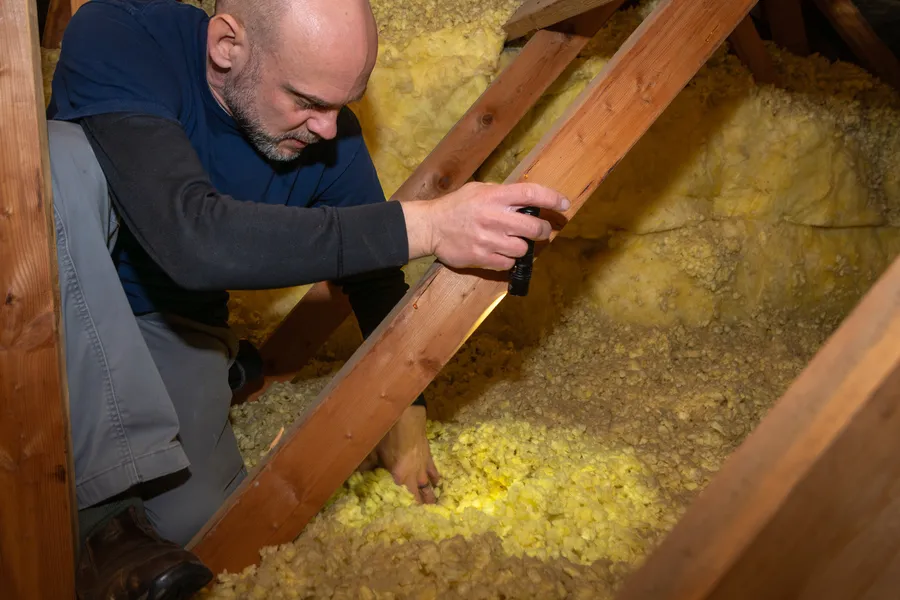
If your crawl space stays mostly dry, a simple ground vapor barrier may help for now. If you have standing water, damp insulation, mold, or strong odors, a full encapsulation system is often the better path. This type of crawl space repair seals the floor and walls, blocks outside air, and helps keep the area clean and dry. Many homeowners also pair it with dehumidifiers or drainage work for better results.
Option a Vs Option B Criteria
There are two main paths people compare. Option A is a basic moisture barrier. Option B is full encapsulation. A basic barrier covers the soil with plastic. Full encapsulation goes further. It seals more surfaces and may include tape at seams, wall liners, vent sealing, drainage, and moisture control equipment.
Here are some easy ways to compare them:
- Basic barrier: lower up-front work, limited protection, best for light moisture
- Full encapsulation: more complete fix, better air control, best for ongoing dampness
- Barrier only: may leave walls and vents exposed
- Full system: helps with odors, humidity, and energy loss
- Barrier only: can shift or tear more easily if poorly placed
- Full system: usually lasts longer when installed well
If your service category keyword connects to moisture control or foundation work, that matters here too. Encapsulation often overlaps with drainage updates, mold cleanup, insulation changes, and other home protection work.
Pros and Cons List
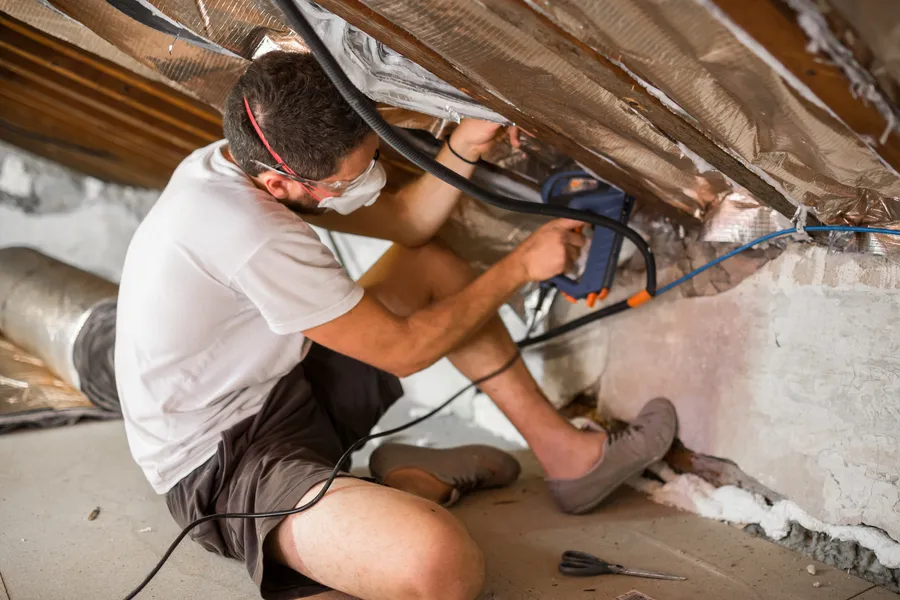
Each choice has good and bad points. The best fit depends on the home and the problem below it.
- Basic vapor barrier pros: lower cost, faster install, helps slow ground moisture
- Basic vapor barrier cons: does not fully seal the space, less help for outside air and wall moisture
- Sealed liner system pros: stronger moisture control, cleaner space, helps protect wood framing
- Sealed liner system cons: more labor, may need added repairs first
- Encapsulation with drainage pros: helps when water enters after rain, lowers risk of future damage
- Encapsulation with drainage cons: more parts to install and maintain
- Encapsulation with dehumidifier pros: better humidity control all year
- Encapsulation with dehumidifier cons: needs power and filter care
Some homes need crawl space repair before any liner goes down. For example, wet insulation may need removal. Rotten wood may need replacement. Drainage issues may need attention first or the new liner may trap problems instead of solving them.
Best Fit by Scenario and Home Need
A light-duty option may work if the crawl space is dry most of the year and only has minor ground moisture. In that case, a heavy plastic barrier with sealed seams can be a fair short-term step. It is not always enough, but it can help in mild conditions.
A full encapsulation system is often the better match when you notice soft floors, musty smells, cold rooms, or high indoor humidity. These signs can mean the air under the house is affecting the living space above. Sealing the crawl space can help stop that air movement.
If water enters after storms, the best fit may be encapsulation plus interior drainage or a sump pump. If the space feels damp year-round, adding a dehumidifier may make sense. If old insulation is falling down, it may need removal and replacement as part of the overall plan.
Mistakes People Make When Choosing
One common mistake is choosing the cheapest material without fixing the source of the moisture. If water is coming through the walls or pooling on the ground, a thin sheet of plastic alone will not do much for long. Another mistake is sealing a dirty or damaged crawl space before mold, pests, or wood rot are handled.
People also forget about air leaks. A crawl space can stay damp if vents, gaps, and open seams are left behind. Some homeowners install new liners but skip seam tape or wall attachment. That can let moisture and outside air keep getting in.
Another issue is using the wrong insulation plan. In some encapsulated spaces, floor insulation is removed and the crawl space walls are insulated instead. In other homes, a different setup is better. The wrong mix can lower the benefit of the work.
Final Decision Checklist
Before you choose an encapsulation option, check these items first:
- Look for standing water or mud after rain
- Check for mold, mildew smell, or wet insulation
- Inspect wood beams and joists for stains or rot
- See if vents, pipes, or access doors leak air
- Decide if you want a short-term step or a long-term fix
- Ask if drainage or humidity control is also needed
- Compare material thickness and seam sealing methods
- Find out if the plan includes crawl space repair before sealing
This checklist helps narrow the choice. A basic barrier may be enough for a dry space with mild moisture. A sealed system is often better for homes with repeated dampness, odor, or damage risk. When the problem is larger, mixing encapsulation with drainage and humidity control usually gives a better result.
Next Steps for a Lasting Result
If you are dealing with moisture below your home in Charlotte, NC, we can inspect the area and explain what type of fix makes sense. At Orellana Crawl Space, we help homeowners sort through liner choices, drainage needs, and crawl space repair without making the process hard to follow. Call us at (980) 327-6424 to schedule a visit and let us help you choose a practical plan for your home.