 Orellana Crawl Space
The Best Method Depends on Water Level, Ground Cover, and Air Sealing Needs
For most homes, the right moisture barrier method for crawl space repair starts with a thick plastic ground cover, sealed seams, and good drainage. If the crawl space stays damp, it may also need wall lining, vent changes, or a full sealed system. The best choice depends on how much water gets in, how wet the soil stays, and whether mold, wood rot, or musty air is already present.
Quick Diagnosis Summary
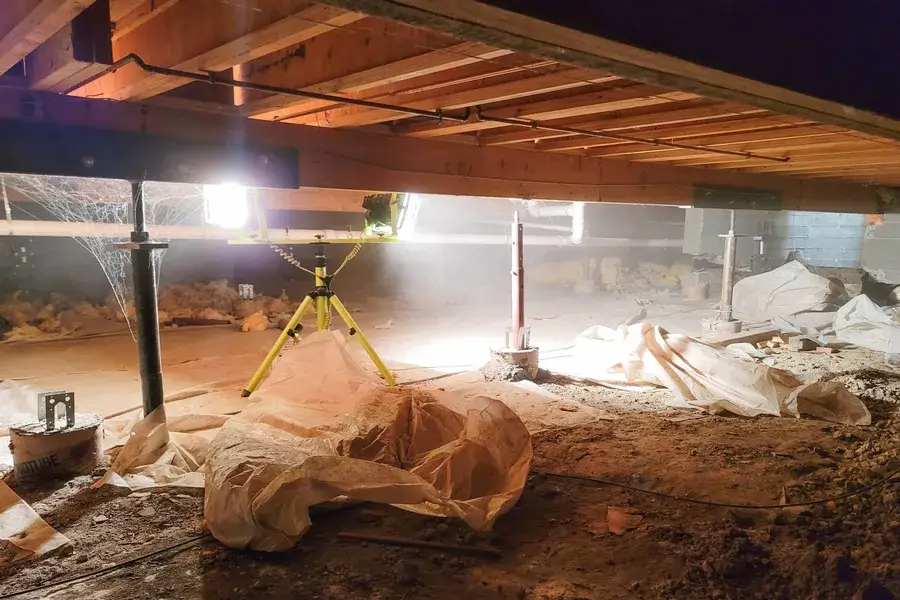
Moisture under a home usually comes from the ground, outside air, plumbing leaks, or poor drainage. In many cases, crawl space repair focuses on stopping that moisture before it harms wood, insulation, and indoor air. A simple sheet of plastic may help in a mildly damp space, but a wet crawl space often needs more than one fix. This can include drainage work, sealing, and better humidity control. If your service category keyword applies to a broader home moisture plan, it should work with the crawl space system, not against it.
Common Symptoms
A damp crawl space often gives clear warning signs. Some show up under the house. Others show up inside your living space. If you catch them early, repairs are often easier and less costly in time and damage.
- Musty smells in floors or rooms
- Soft or sagging wood
- Wet insulation
- Mold on joists or subfloor
- High indoor humidity
- Condensation on pipes or ducts
- Pests drawn to damp areas
- Standing water after rain
Many homeowners think the smell will go away on its own. It usually does not. Moisture tends to spread and keep feeding mold and decay.
Likely Causes
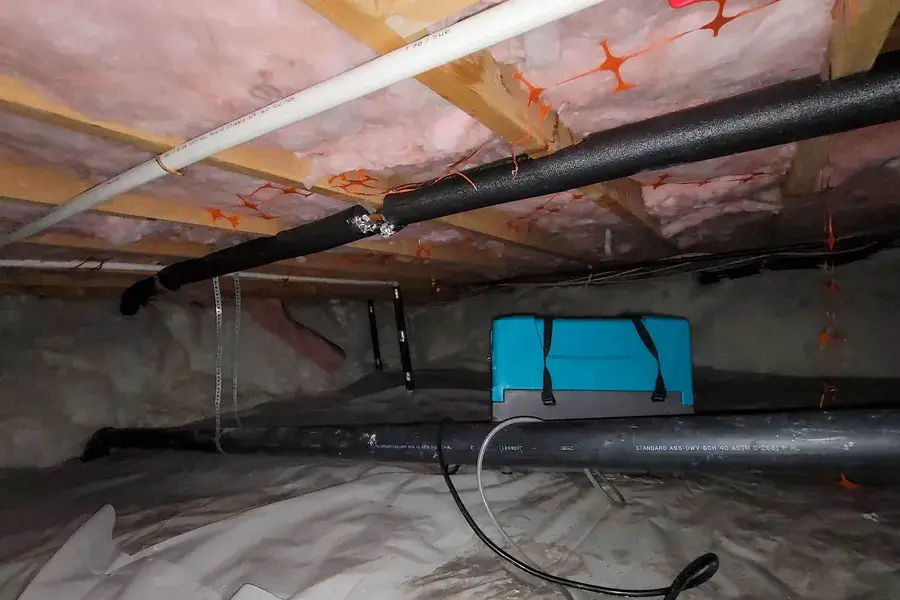
The cause of the moisture problem affects the barrier method you should use. Ground moisture is one of the most common sources. Bare soil releases water vapor all the time. A plastic barrier slows that vapor and keeps it from moving up into the wood above.
Rainwater can also enter from the outside. This happens when gutters dump water near the foundation, yard grading slopes toward the house, or downspouts end too close to the crawl space. In older homes, open vents may pull in warm, wet air during humid months. When that air hits cooler surfaces, water forms. A small plumbing drip can also keep the area damp day after day.
What to Check First
Before choosing a moisture barrier method, check the crawl space conditions in a simple order. This helps you avoid putting plastic over a bigger water problem.
- Look for standing water or muddy soil.
- Check for torn or missing ground cover.
- Inspect seams to see if they are taped and sealed.
- Look for wall cracks or signs of water entry.
- Check gutters, grading, and downspout discharge outside.
- Inspect pipes for drips or condensation.
- Look at insulation for sagging, mold, or wet spots.
- Notice any strong odor or heavy humidity.
If the soil is only slightly damp and there is no bulk water, a reinforced vapor barrier on the ground may be enough. If water collects after rain, drainage should come first. If vents are pulling in humid air, air sealing may be part of the fix. Good crawl space repair starts with the source, not just the symptom.
Safe Fixes Vs Pro-Level Fixes
Some moisture barrier steps are simple and safe for a homeowner. Others need training, tools, and care. A basic ground barrier can be a do-it-yourself job if the crawl space is clean, dry enough to enter, and free of active water issues. The material should cover the entire soil surface and overlap at the seams. Seams should be taped well, and the barrier should extend up the walls where needed.
More advanced methods are better left to a professional. These include interior drainage channels, sump pump systems, full encapsulation, mold cleanup, structural drying, and repairs to rotted framing. If the crawl space has low clearance, electrical hazards, pests, or heavy mold, it is safer not to enter alone.
Here is a simple way to think about barrier types:
- Basic ground cover: good for light ground moisture
- Thicker reinforced liner: better for longer life and tougher conditions
- Sealed seam system: helps block vapor movement more fully
- Wall-to-ground sealed barrier: useful for stronger moisture control
- Full encapsulation with conditioning: best for severe or ongoing dampness
Prevention Tips
The best moisture barrier methods work longer when the crawl space stays dry from the outside too. A liner alone cannot fight constant water flow forever. Small prevention steps make a big difference.
Keep gutters clean and point downspouts away from the home. Slope soil away from the foundation so rainwater drains off instead of pooling. Fix plumbing leaks fast. Check the crawl space after heavy rain and during humid weather. Replace torn sections of liner before vapor slips through exposed soil. If insulation is hanging or wet, have it checked before mold spreads further.
It also helps to avoid common mistakes. Do not use thin plastic that tears easily. Do not leave gaps around piers, edges, or seams. Do not trap water under a barrier without solving drainage first. Do not assume open vents always dry the area. In many climates, they can make moisture worse.
Final Recommendation
If your crawl space is mildly damp, start with a durable ground vapor barrier and basic water control outside. If the area smells musty, shows mold, or stays wet after rain, a stronger crawl space repair plan may be needed. That may include drainage, seam sealing, wall coverage, and humidity control. The right method is the one that matches the real source of the moisture and keeps the space dry over time.
Get Help With the Next Step
For homes in Charlotte, NC, we can help inspect the moisture source and explain which barrier method fits the space. At Orellana Crawl Space, we focus on practical repairs that match the condition of the crawl space. Call (980) 327-6424 to talk with us about the next step for a drier, healthier home.