 Orellana Crawl Space
How Damp Air and Wet Materials Can Weaken the Parts That Hold up Your Home
Crawl space moisture leads to structural damage because water does not stay in one place. It soaks into wood, raises indoor humidity, and helps mold grow. Over time, floor joists, beams, and subfloor panels can rot or weaken. Metal parts can rust too. In homes around Charlotte, NC, this can start small and then spread until floors sag, doors stick, or the house smells musty.
Quick Diagnosis Summary
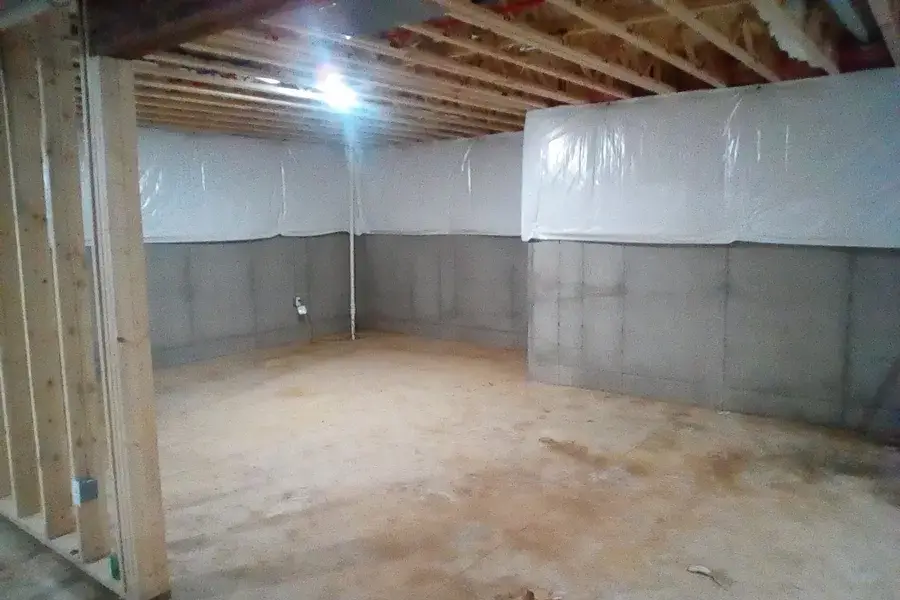
If a crawl space stays damp, the structure above it can slowly break down. Wood absorbs water like a sponge. When that happens again and again, the wood loses strength. Wet insulation falls down and stops working well. Moist air can also move up into the home and make the whole house feel damp. This is why crawl space waterproofing is not just about comfort. It helps protect the frame of the house.
Common Symptoms
Many people do not look in their crawl space often. That is why damage can go on for months or even years. The warning signs may show up inside the home first.
- Musty smells in the house
- Soft or bouncy floors
- Doors that rub or do not close right
- Condensation on pipes or ductwork
- Mold on wood or insulation
- Standing water or muddy soil
- High indoor humidity
- Rust on metal supports or fasteners
These signs do not always mean the home is in danger right away. Still, they tell you the crawl space needs attention before the problem gets worse.
Likely Causes
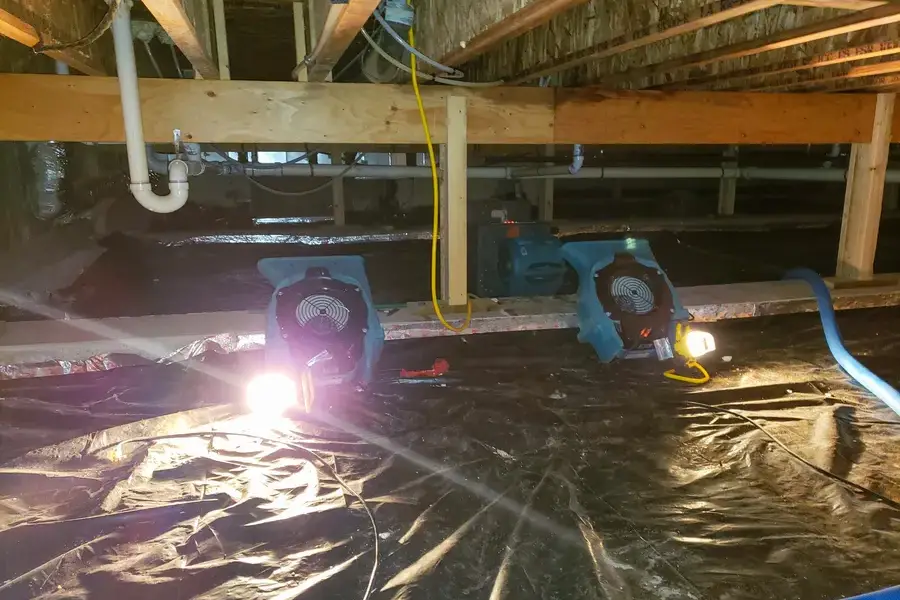
Moisture gets into crawl spaces in a few common ways. Rainwater may drain toward the house instead of away from it. Groundwater can seep in through the soil. Open vents can pull in humid outdoor air, which then turns to condensation on cooler surfaces. Plumbing leaks add more water. In some homes, missing vapor barriers let ground moisture rise into the space every day.
Once the area stays wet, damage starts to build. Wood rot fungi grow in damp conditions. Mold spreads on organic materials. Nails, straps, and other metal parts begin to corrode. This is often how a simple moisture issue turns into a framing issue. Even if the service category keyword is not defined here, the problem still falls under home moisture control and structural protection.
What to Check First
Before making repairs, find out where the water is coming from. If the source stays active, new repairs may fail. Start with a simple check of the crawl space and the area around your home.
- Look for standing water or wet soil.
- Check gutters and downspouts for overflow.
- See if the yard slopes toward the foundation.
- Inspect pipes for drips or leaks.
- Look at insulation for sagging or mold.
- Check wood for dark stains, softness, or rot.
- Look for torn or missing vapor barrier material.
- Notice any strong musty odor.
This quick check can help you tell if the problem is minor or if it has already reached the structure.
Safe Fixes Vs Pro-Level Fixes
Some moisture problems have simple steps you can take. Others need tools, repair skills, or a full crawl space waterproofing plan. Small fixes may help lower moisture, but they do not replace major repairs when the wood is already damaged.
Safe fixes often include extending downspouts, cleaning gutters, improving yard drainage, and covering exposed soil with a vapor barrier. A small plumbing leak may also be easy to fix. These steps can reduce moisture fast if the issue is mild.
Pro-level work may include sump pump installation, drainage system updates, dehumidifier setup, sealing crawl space vents, replacing rotted wood, or reinforcing weak joists and beams. If mold is widespread or the floor structure is sagging, trained help is the safer choice. Structural repairs need careful planning because those parts support the home.
Prevention Tips
The best way to avoid damage is to keep water out and humidity down. Dry conditions help wood stay strong and stable. Regular checks can catch small issues before they grow.
- Keep gutters clean and working
- Send downspouts away from the foundation
- Make sure soil slopes away from the house
- Fix leaks as soon as they appear
- Install or replace a ground vapor barrier
- Use crawl space waterproofing when moisture keeps returning
- Monitor humidity levels during wet seasons
- Schedule inspections if you notice odors or floor changes
These steps help stop repeated wetting and drying, which is hard on wood. They also help improve indoor air quality since crawl space air can move into the rooms above.
Final Recommendation
If you have seen water, mold, or soft wood under your home, do not wait too long. Moisture problems rarely fix themselves. In Charlotte, NC, damp conditions can put extra stress on a crawl space over time. At Orellana Crawl Space, we help homeowners find the cause, explain the next steps, and provide crawl space waterproofing and repair options that fit the home. Call us at (980) 327-6424 to schedule an inspection or ask questions about the warning signs you are seeing.